Archive for the 'Independent' Category


11 Dazed Hours in Hong Kong

If ever there was a place to wander around in a jet-lagged, head-cold haze with nothing more than a tourist bureau map, Hong Kong is it.

The 11-hour lay-over is actually what made me choose this flight to Hanoi (aside from the fact that it was the cheapest). I love long layovers; it’s like a two-for, a bonus. You get to extend the half-here-ness of transit onto a place—walk through its streets like it were a video game, or bumpy camcorder images from someone else’s vacation, or someone else’s dream, exuding a kind of impermenance that makes you impervious, imperceptible, a kind of illusion, a walking ghost in a half-here city.

Or it could just be the jet-lag talking.

Either way, Hong Kong is a trippy city to spend 11 hours sleepwalking through. Everything is clean, clear and predetermined: signs telling you where to go, signs reminding you to hold the handrailings, signs designating exactly where you should walk and where you should stand and which direction you should look for traffic and when you should be mindful of bicyclists.

It’s a subdued city, a city on Vicodin. Everyone talks in a low, pleasant voice; they smile slightly when they exchange words with you. Skyscrapers rise up to be swallowed in a white fog. Municipal workers sweep sidewalks, trim hedges, wear blue face masks and walk with their hands clasped behind their backs, or piously under their bellies. People walk with the self-possessed composure of business people on their lunch breaks. Shoes click, crosswalk signs hum, the gentle clatter of endless construction (what more could they be building?) echoes. Nothing is loud or jarring or overwhelming. Yes, it’s crowded, but there’s an order to everything—an organized insanity, a colonized chaos.

You could almost begin to suspect that you were in some George-Orwell-esque alternate reality, where everything seems real, resembles real, but really isn’t—just some placated approximation of a real place. Rolex, Prada, Couch, Ralph Lauren, Espirit, Starbucks, 711, Pret A Manger, Citibank, Geox—buildings that stack as neatly as Leggos and fish markets that don’t reek of fish, don’t reek of anything. The thinnest layer of soot covers the awnings, as if to remind you that it’s real—the slightest twinge of exhaust tickles your nose.

It doesn’t feel theme-parky or like a tourist charade, but rather like the city has in fact become this—a large, outdoor office park.

None of which is to say I didn’t enjoy my time wandering around Hong Kong—just that it felt more like one of the alternative realities from Inception than a real place. Which could have been the cocktail of jet lag and DayQuil and caffiene and bad airplane food swimming around inside me. It could have been the pork dumplings and Ramen noodles that tasted like childhood.

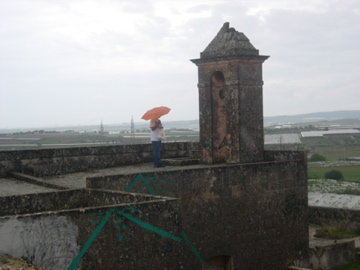
God on the Walls: Abandoned Monastery Outside Grottaglie

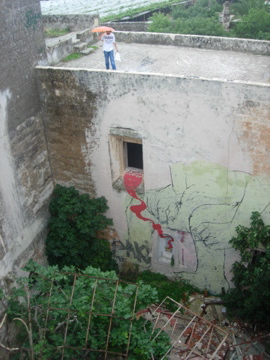
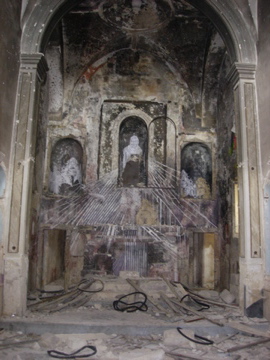
If you walk far enough down a dirt road outside of town; if you stalk through the weeds and sweatshirt-snagging thistles; if you scramble and heave and hoist yourself over a crumbly stone wall and follow the dent in the foliage that has become a path, you will find it: an abandoned monastery covered in art.

You will be on the roof. You won’t be sure how you got there. The storm will be moving in, and the countryside, the heel of the boot that is Puglia, will stretch out beneath the gray: plastic tarps over vineyards, farms, the coughing plumes of the factories of Taranto.

You’ll circle the perimeter of the roof with your new friends. You found them all—you found each other—like a rag-tag team of adventurers in some cartoon: Rebecca at a cafe, Pedro as you walked through the Old Town, then Greg as he feverishly rode a bicycle away from a herd of grazing animals (“Were they rabid?” “No.” “What were they doing?” “I dunno, they were just in the road. It was some weird country shit.”). You’ve all come alone, all flown from your various big cities to Grottaglie, for nothing more than the love of street art. And adventure.

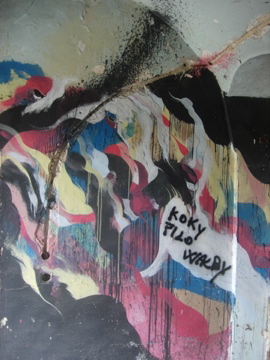
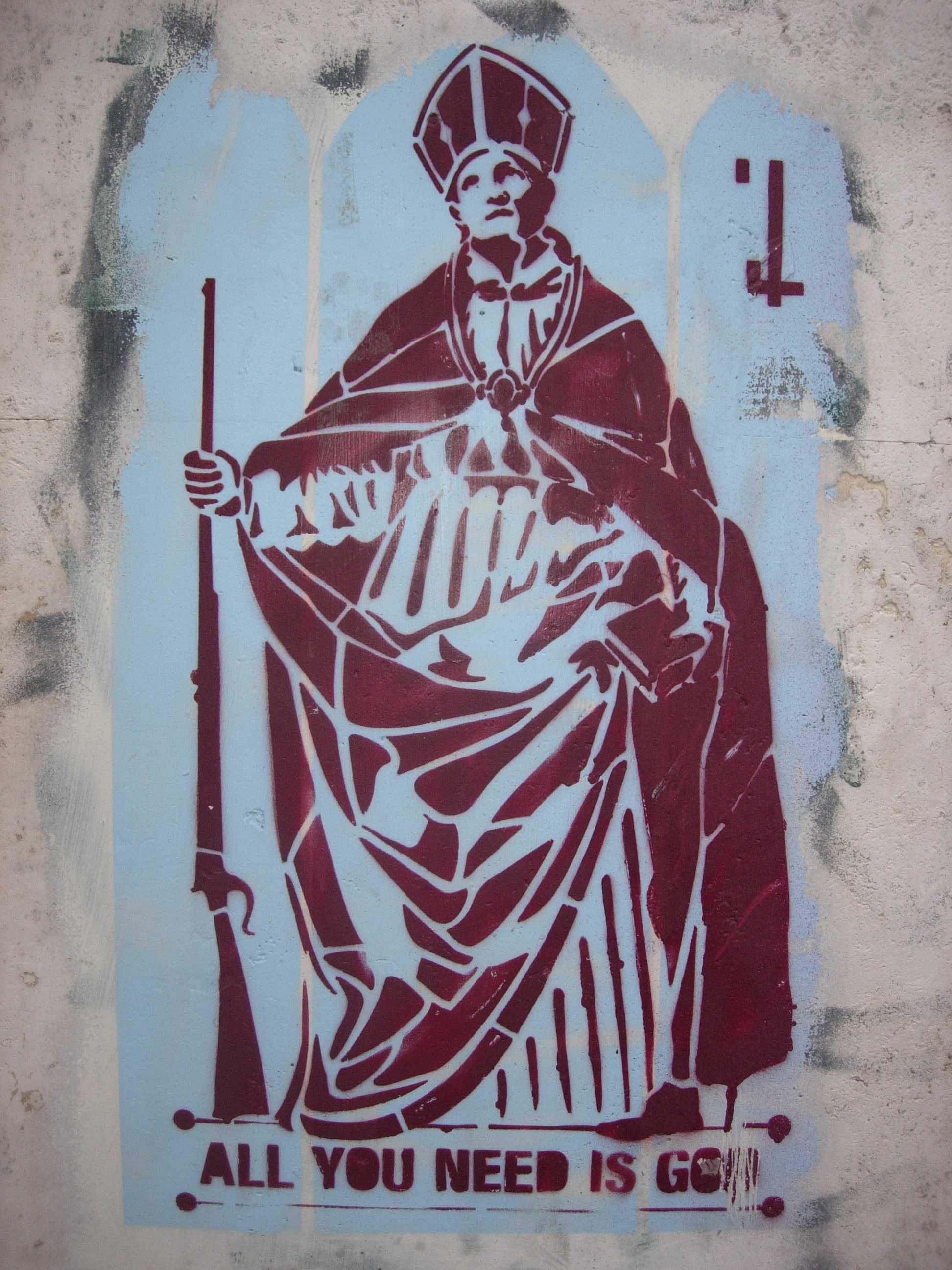
And you will have gotten there. You’ll have gotten to the moldy, peely, crumbling core of What It Is You Came For. Over the last three years of Fame Festival, the abandoned Convento dei Cappuccini has amassed works by visiting artists on its decrepit old walls. It’s become something of a museum of anarchic awesome—where you crunch through the broken glass, through rooms and rooms with bleeding walls; down dank stairways where the mosquitoes buzz and the light don’t shine; down into the guts and internal organs of an abandoned holiness left to rot, left to reborn in the last gasps of its decomposition, its swallowing-back-up by the earth, by the weeds, by the green; left to the artists and the vandals and the punk little kids with bruises on their knees, to the foreigners that don’t speak the language but know that urgent lonesome in the howling of the wind, the coming of the storm, as it blows through the broken windows and walks alongside you.

Pedro on the roof

Courtyard

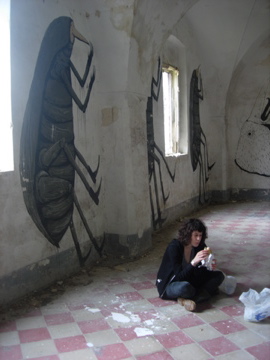
Panini break in the cockroach room

Cockroach close-up

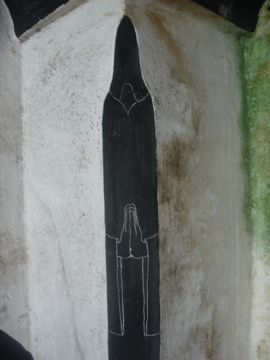
Where two walls meet

It’s not so much about the art, not the monastery or Fame or the streets of Grottaglie. It’s about the spirit, the breathing of new life into the forgotten, the love of the forgotten, saying, “Yes, yes, you can still be something beautiful to me.”

It’s exceedingly tender; it’s exceedingly unexpected that you would find this here: this vision of yourself in the walls of an abandoned monastery outside a small Italian town. As though every painting and stencil and shitty little tag were a message of love, saying, “Even in your wreckage, your falling-apart, your scars and wounds and ragged flesh—something can still love you enough to take the time, to do something beautiful.”

It’s what you like to think of God as. It’s how you’d like to treat yourself, as if you could love yourself as much as an abandoned monastery.

And it’s even more unexpected that you would find three friends to tromp around with you, to be as stoked as you, to love this place and this town and this art as much as you do.

You pause; you take a moment to take it all in, to file it away in the card catalog of your heart, to be able to call upon in those certain difficult times ahead, when you need something, just a little something, to remind you What It Is You Came For. You look around, smile, tuck it under the slot labeled “Best Travel Moments.”

And then you walk into the chapel.

For a far better visual representation, check out Bablegum’s video of their trip to the monastery. The music doesn’t really fit the experience to me—but in those moments when you hear the wind howl, that’s closer to what I felt in there.

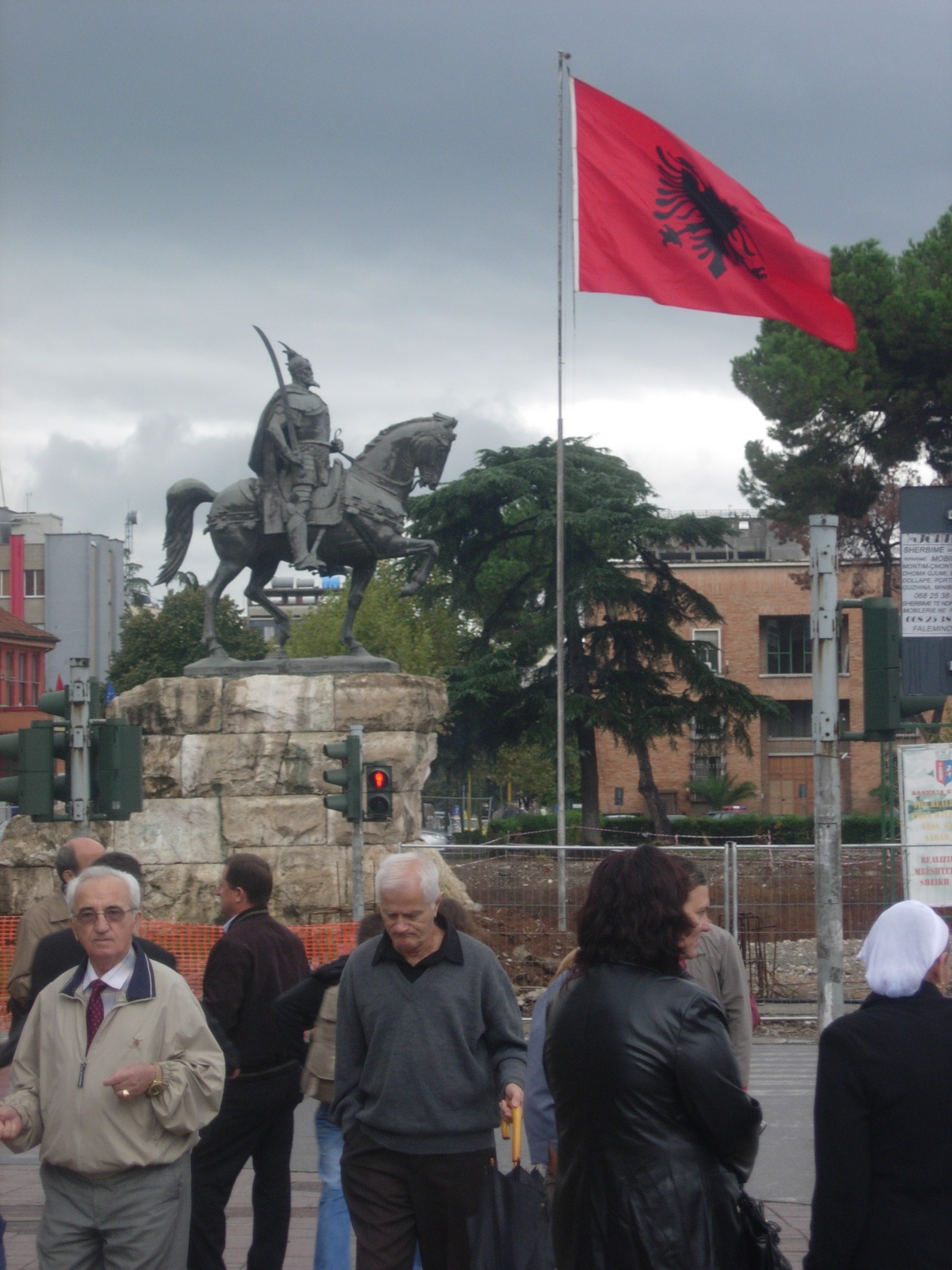
Tirana, Tirana, The One I’ve Been Waiting For

If Tirana were a boy, it’d be the boy I’ve been waiting to meet.

You rumble across the border, furious windshield wiper and donkeys in the dirt road, hills dripping lush green. You dash from the taxi to the minibus, puddle-footed and soaking-hooded, grab the last seat as a man climbs into the trunk compartment.

You rattle like this through the rainstorm, through a landscape of sheeps and shacks, the smooth round dome of abandoned bunkers, half-built buildings with sleeping bulldozers stuck in the mud, the carcasses of stipped-down cars piled in empty lots. The minibus driver turns on some kind of Albanian butt rock, and you silently thank him for knowing the exact right soundtrack for your entrance into the country.

I’d meant to travel around a bit in Albania, see a UNESCO town or two, climb in a bunker, poke around some old Ottoman castle. Which still all sounds awesome. But four hours in Tirana, and I knew I wouldn’t be going anywhere.

There’s only one other city I’ve walked into and felt this feeling, this long “yeeeesss” coming from some place between my ribs, near my gut, a forgotten organ of intuition. Some places just fit, and you just fit them, and Tirana is one of them.

It’s got a certain electric insanity, that infectious energy, without being a total free-for-all. It’s just dirty enough, has just enough street dogs and decrepit buildings, just enough business men, the click of just enough three-inch heels, attached to smooth legs and slim skirts. It’s like meeting a boy with just enough of “the dark side,” as Luke would say—not a total depraved junkie, but not squeaky clean and wholesome either: a chipped tooth and an ancient wound.

So I walked Tirana’s streets, its run-down markets and posh cafes, past Mercedes Benzes negoitating potholes, 10-years-old smoking cigarettes, old women roasting chestnuts, old men selling gum and lighters, gypsies sitting cross-legged with outstetched palms, the blare of the horns and the hum of the engines and the swoon of the city.

Within a few hours of staggering into the frenetic swarm of this city, I’d fallen in with the artsy, alternative crowd, finding myself at a rock show in a tiny, smokey bar in an otherwise-shuttered mall. The next night was K’tu Ka Art, a weekly show featuring local live music acts. It felt a lot like being at a small show at home, until I had it explained to me.

Apparently, bands in Albania work like this: they play cover songs. God-awful, Top 40, English-language cover songs. A band will book at a certain bar for a year. And every Friday and Saturday, people will go to same bar and hear the same band play the same cover songs.

“Bloody boring as hell,” Ghenti surmised, an indie-rocker dude in a Sonic Youth shirt and a Kurt Cobain sweater. He’d moved to Brighton when he was 16, but came back to Albania every year for a few weeks. So last year he started organizing weekly showcases of local bands, who played their own songs, singing in Albanian.

It’s a small group of people, maybe 30 or so, that are into that scene right now, into something different from the imported cool. And after two nights, I seem to know all of them. Yesterday, I walked around town and kept bumping into people I knew. It’s a funny feeling of belonging, of fitting into a place you just met. (“I feel like I’ve known you for years.”)

Tirana’s also an insanely safe and insanely cheap city. I can’t manage to spend more than $40 a day, and I can’t manage to feel uncomfortable walking its streets, even at 2am. (“Heaven must have sent you from above…”) The people are startlingly friendly, and I haven’t received any street harrassment—just a lot of stares for being the one tattooed girl in the whole city (more on that in another post).

The only drawback of the city, I told Robo, is that I smoke too much. It’s too easy and too cheap ($1.50 for a pack). It was the K’tu Ka Art afterparty, in a basement bar playing a soundtrack of “Vogue,” “Highway to Hell,” and “I Love Rock N Roll.”

“No, I think it’s a good thing,” Robo replied, yelling over the music.

“Oh yeah? Why’s that?”

“It means you’re having fun.”

“Yeah, I’ll try telling my mom that,” I smiled, leaning in to the flicker of his lighter.

He leaned back, regarded me there: sitting at the bar, happy as could be with my can of Coke, singing along to cheesy hits with Tirana’s tiny clan of rock n roll kids.

He patted me on the shoulder. “You should be an advertisement for ‘Come to Albania.'”

I threw my head back and laughed.

Dubrovnik, I Don’t Hate You

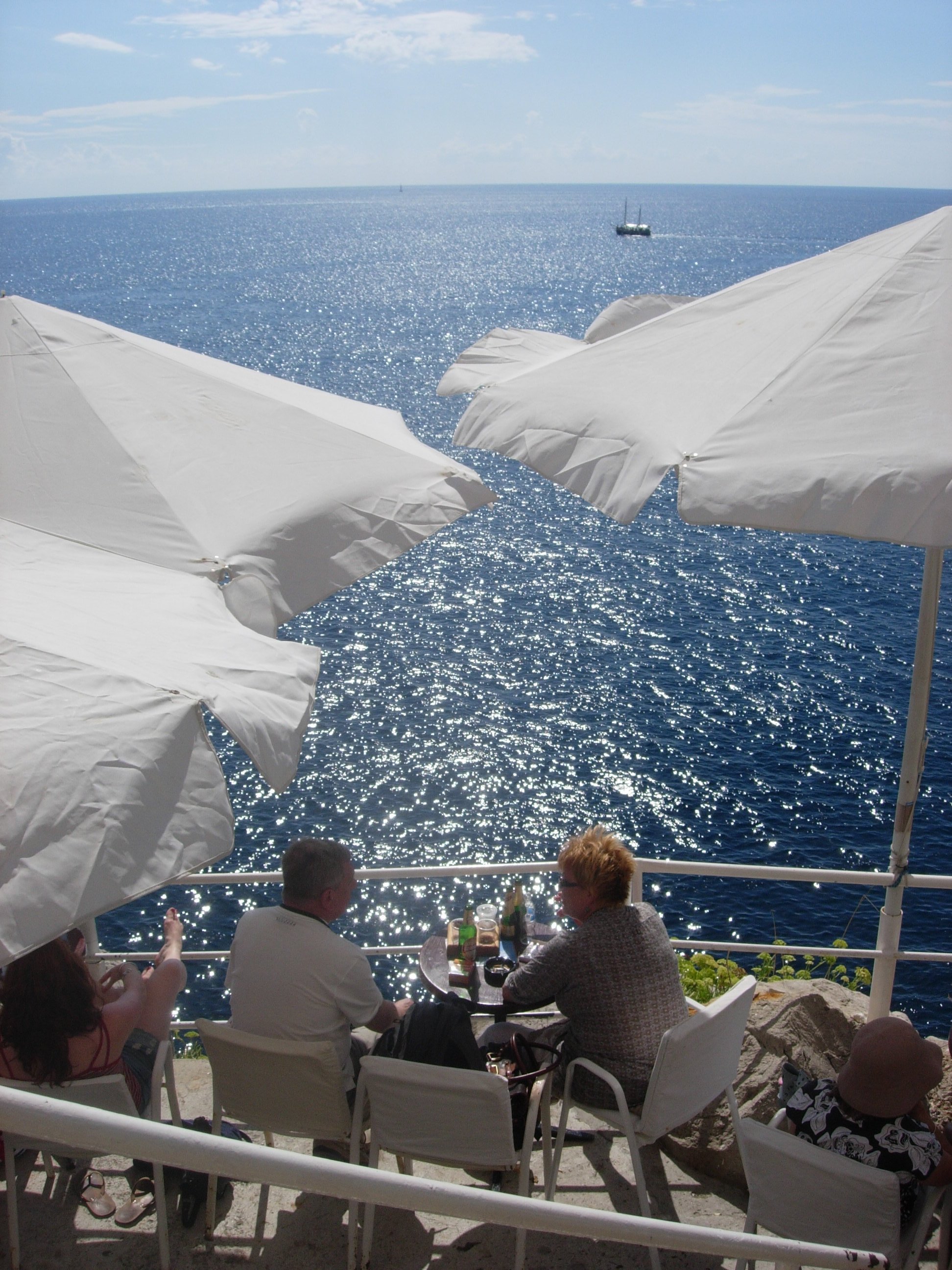
Amid the souvenoir shops, currency exchange offices and endless umbrellas of the tourist restaurants of Dubrovnik’s Old Town, I realized that something in me had changed.

It wasn’t a sudden, burning-bush kind of change, but slower, more subtle. It’s something that’s been changing in me, I suspect, for some time, without me noticing it—a transformation, unfolding gently, quietly, while I wasn’t looking. And it took Dubrovnik to make me aware of it: I no longer hate tourists.

And more than that, I no longer despise hard-partying backpackers, 20-year-olds that sleep all day and drink/cruise for girls all night on mom and dad’s bill. In short, my disapproval of how other people travel, when it isn’t my way of traveling, has dissipated.

I endured the torturous, fluorescent, overly air-conditioned ferry ride from Bari, Italy, in search of sunnier—and cheaper—shores. Well, um, Croatia ain’t it, I’ve discovered. And especially not Dubrovnik.

Yes, really.

My guidebook gushed about the splendor of the city. After I slept off the sleepless ferry ride, I curled up next to my $4 americano and watched the scene parade by: tour groups led by umbrella thrusting guides; middle-aged folks clutching their Rick Steves’; lots and lots of English. Later, at my hostel, I listened to the play-by-play recounting of the previous night’s drunken antics, and who’d made out with the hottest girl (it was Mark, the kid with the Justin Bieber hair).

And the remarkable thing was, I was okay with it all.

Now it could be that I’m getting older. It could be that I’m more well-traveled, and settling into myself. But I think it’s got more to do with something else, with this personal journey I’ve been on lately, entirely unrelated to travel. It’s got to do with taking care of yourself, with stopping using other people as a way of not looking at your own shit; it’s got to do with lovingly detatching from sick people. It’s potent shit, and it’s changing everything. Including, apparently, the way I travel.

No one likes to think of themself as a judgy a-hole, but hey, we all got our faults. In previous years, Dubrovnik would have evoked all my self-righteous better-than-thou-ness: too expensive, too touristy, too too. And it’s true that I’m not really into the scene here; I definitely dig the more obscure, the more offbeat and bizarre.

But it isn’t awful—it’s not theme-park-ish and you don’t get that resentment vibe from the locals. And it is beautiful: smooth stone streets gleaming white; sheets of ancient walls; passageways that lead to startling, sparkling vistas of aqua-clear water that really does live up to the hype.

And I’m letting myself enjoy that without judging it.

As I’ve learned to focus more on accepting myself, I’ve discovered a curious by-product: I’m better able to accept others, better able to let them be themselves, whatever that entails. And this doesn’t just come, apparently, with emotionally unavailable active alcoholics; it apparently also comes with accepting other travelers.

When you’re constantly measuring yourself against other people, when you’re constantly using other people to determine your worth and what exactly it is you are, there isn’t a lot of room left to just be okay, to just sit with yourself and be okay. And I’m learning to do that. I’m learning to go swim off the deck of a jokey tourist bar with a couple dudes I don’t have much in common with, learning to lay out in the Adriatic sun of a destination I’m not nuts about, and let that be okay.

I don’t think I’ll ever be into the big huge tourists destinations. I’ll probably always love the less obvious, the little-off; I’ll probably always love digging around, getting the dirt of a destination under my nails. That’s just what I’m into. It’s not any better or any worse than what anyone else is into. (Including getting black-out drunk and hooking up with random girls.)

Even now, with the chatter from the hostel’s common room filtering up the stairs, through the cracks under the door, over to my glowing light on this rickety bunk, even now it’s okay. Tomorrow I’ll take off for Montenegro, in search of something a little more me.

But Dubrovnik, I gotta say, it was a pretty good day. And I don’t hate you.

Grottaglie Or Bust!: Fame Fest ’10

Siesta-dazed and still covered in little bits of glitter, I’m holed up in my hotel room in Grottaglie. Laptop on my lap, balcony door open a crack, listening to the moan of the fan, I don’t know where to start.

I could spend the next two months writing about this weekend, here in this random little Puglian town, wedged between plastic-tarp-covered vineyards and industrial, cloud-coughing skylines. It’s at times like these when you realize just how insufficient your own words are—how close they can sometimes come to capturing this thing, this thing you’re always circling and chasing, but that ultimately always goes “fluttering through your nets,” as Virginia Woolf said.

This weekend has been a little of everything I love in travel: discovering killer art, adventuring around abandoned buildings and ancient caves, eating great food, meeting awesome people. I came here for the opening of Fame Festival, a DIY street art event put on by the one-man-powerhouse/party Angelo Milano, that is slowly transforming the forgotten little town of Grottaglie. I’d been following the build-up on various art blogs, and it seemed like a pretty damn good excuse to go on an adventure.

There’s about 100 different angles to write about this from, and I’m sure I’ll be torturing everyone with posts for months on end. So instead of giving the 3000-word play-by-play (you’re welcome), I’ll give you the highlights. And some pictures.

Fame Festival
“Success, celebrity” in English, “hunger, starvation” in Italian, Fame Festival is the blood, sweat and glitter (more on that later) of one dude, Angelo Milano. Three years ago, he started inviting international artists to his little hometown for short residencies. The artists produced prints at his studio, Studio Cromie, produced ceramics using the town’s ancient ceramics studios, and threw up street art pieces all over the city. The festival has grown, gained a fair amount of notoriety, and a small crew of artists/collectors/enthusiasts/fanatics make the mission down to Grottaglie for a complete and total adventure.

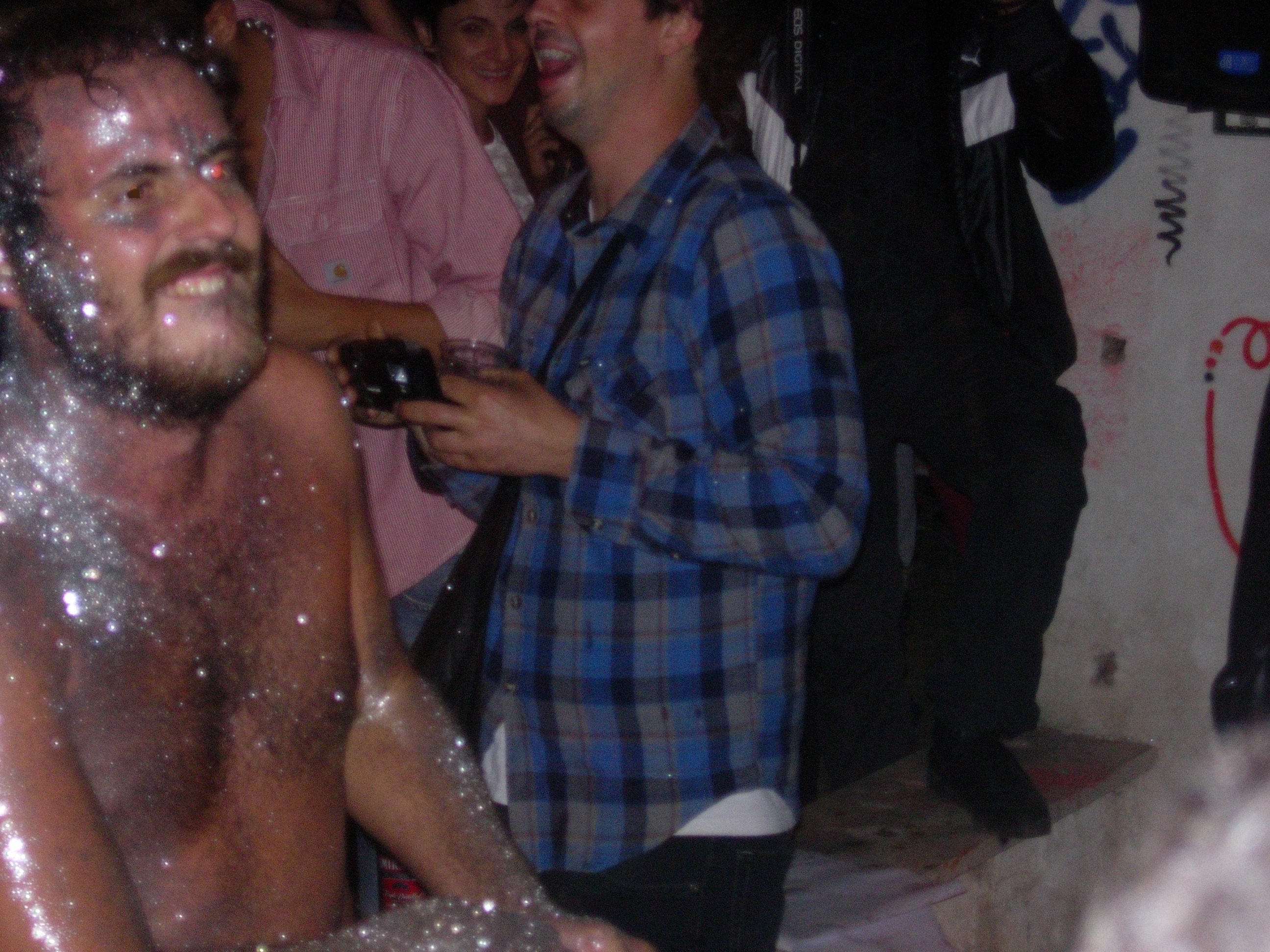
Angelo welcomes you with all the enthusiasm and graciousness in the world, arranging hotel rooms and rides from the airport. On the evening of the preview, he takes the gang load of visitors back to his grandmother’s house, where his dad shakes your hand and his mom cooks a huge traditional Italian dinner. The opening party is complete with DJs, Puglian wine and a diverse mix of locals and art lovers; you then trek across town to Studio Cromie, where Angelo goes ape shit on the dance “floor,” dumping about 8 bags of glitter on everyone and generally having about as much fun as humanly possible.

You see everyone stagger around town with glitter stuck in their hair the next day. You’re given, on preview night, a map of the city marked with all the street art pieces, and you wander around, ticking off the 60+ list and snapping photos. It’s like a treasure hunt.

Coolest part: adventuring around an abandoned monastery filled with art.

Grottaglie
The town itself is awesome. Not in a knock-your-socks off way, but in a slow, subtle way that sneaks up on you. It’s got an old town, complete with winding roads and a couple UNESCO sites, as well as a new part, devoid of billboards and with only one corporate chain. The whole town siestas from 12-4. You can get dinner at a restaurant for 6 euros. Old women say, “Ciao, bella.” Teenagers hang out in cafes til 2am.

The city’s surrounded by ancient caves that were inhabited until just a few decades ago, when the Italian government kicked everyone out. You can go and poke around in them, see the remnants of old cooking areas, frescos peeling off the walls.

The Peeps, and The Adventure
So what kind of wingnuts travel all the way to bumfuck Puglia for an art festival? Awesome ones. I met so many fresh people, one of those this-is-why-I-travel experiences that you know is going to linger with you for a long time.

There’s also the adventure aspect. No guidebooks mention Grottaglie. The bus from Naples dropped me off on the side of the road; luckily I’d had the wherewithal to print out a Google map the night before. You traipse around the random town that epitomizes off-the-beaten-path, and it reminds you, again, why you travel.

Street Art
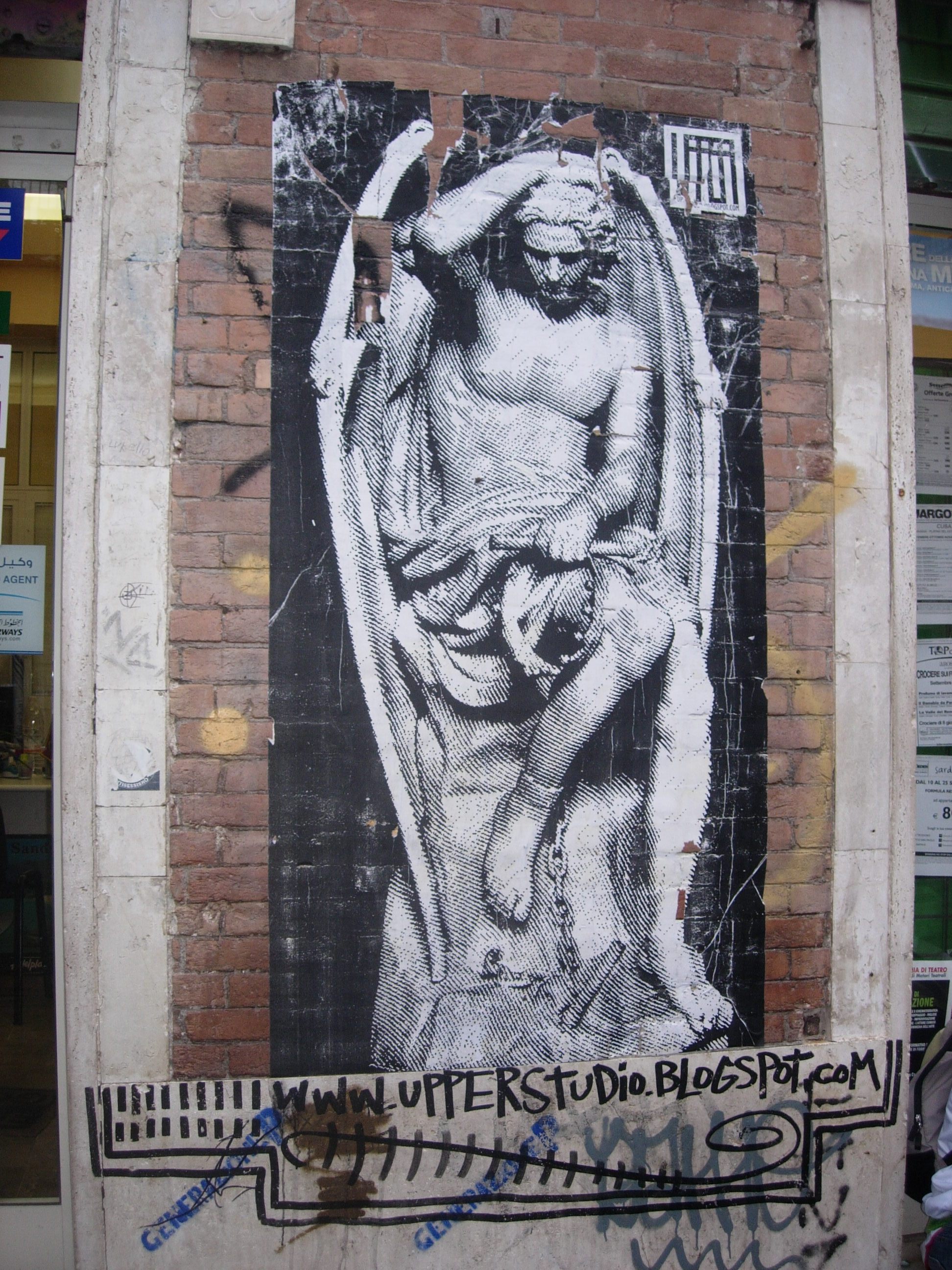
I’m no expert on street art, but I got to meet a lot of people who were. And it’s clear that we’re on the brink of something, something bigger than just the art world. Street art is a kind of dialouge with a city, and it’s changing cities. Street art as architecture, urban development, tourism—there’s a lot to discuss.

But right now, legs crossed on this hideous hotel bedspread, I’m feeling incredibly tired and incredibly grateful. I gave myself an extra day here, to hang out with the wifi and sleep, before I take off for Dubrovnik tomorrow. But even if I were going home tonight, it would have all been worth it. Fame Fest was one of the best parties I’ve ever gone to, and one of the best adventures a traveler could hope for.

See Naples, And Then…

Die, the saying goes. They’re not fucking around.

I’d really wanted to go to Naples when I was last in Italy. But my then-boyfriend read the LP description—chaotic, dirty, somewhat dangerous—and nixed the idea. He liked Copenhagen, Scandindavia—clean, calm, safe cities filled with bicycles and crisp air, low unemployment and Nordic blondes with pale beautiful skin.

He can have it. Give me Naples.

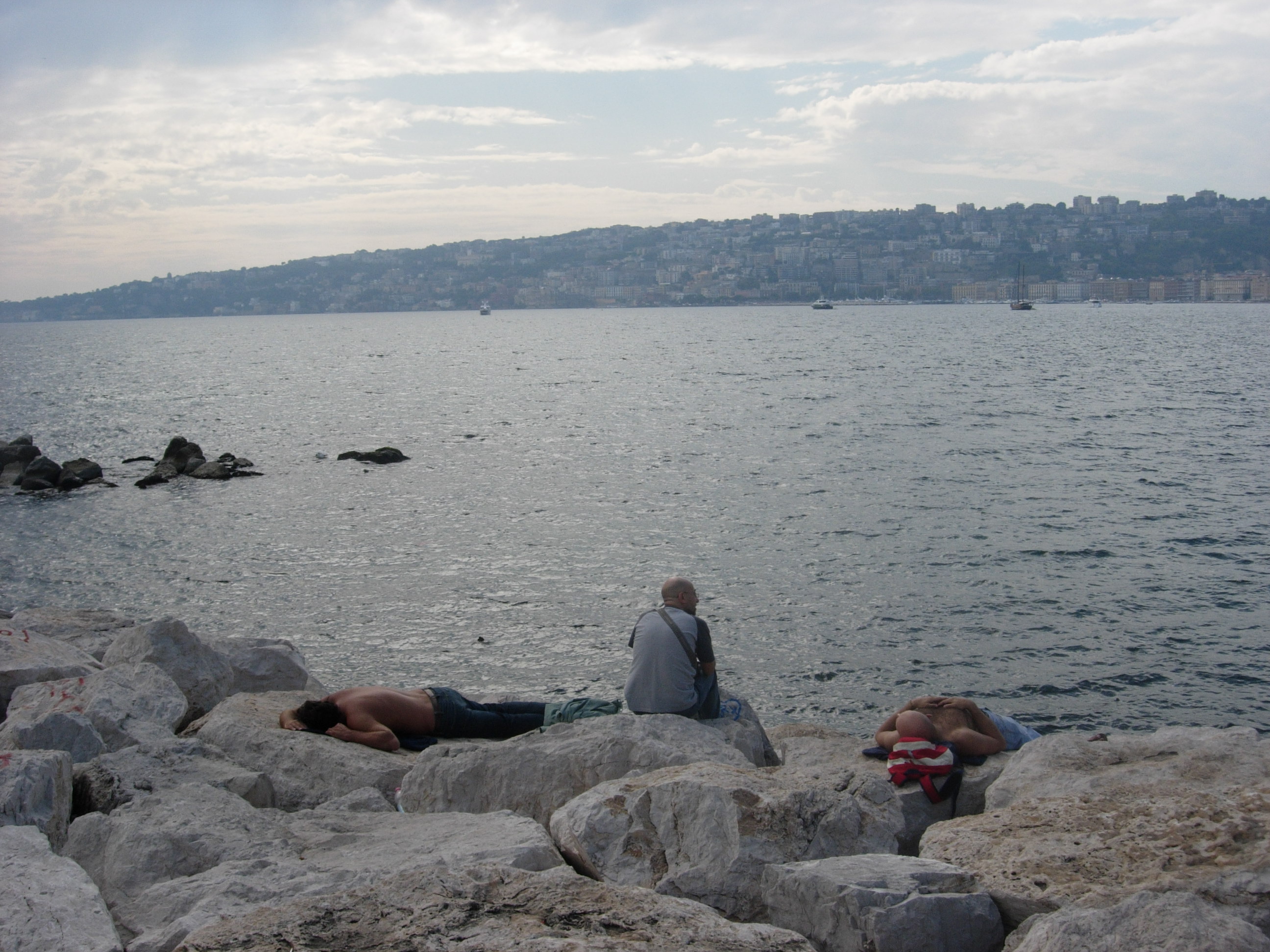
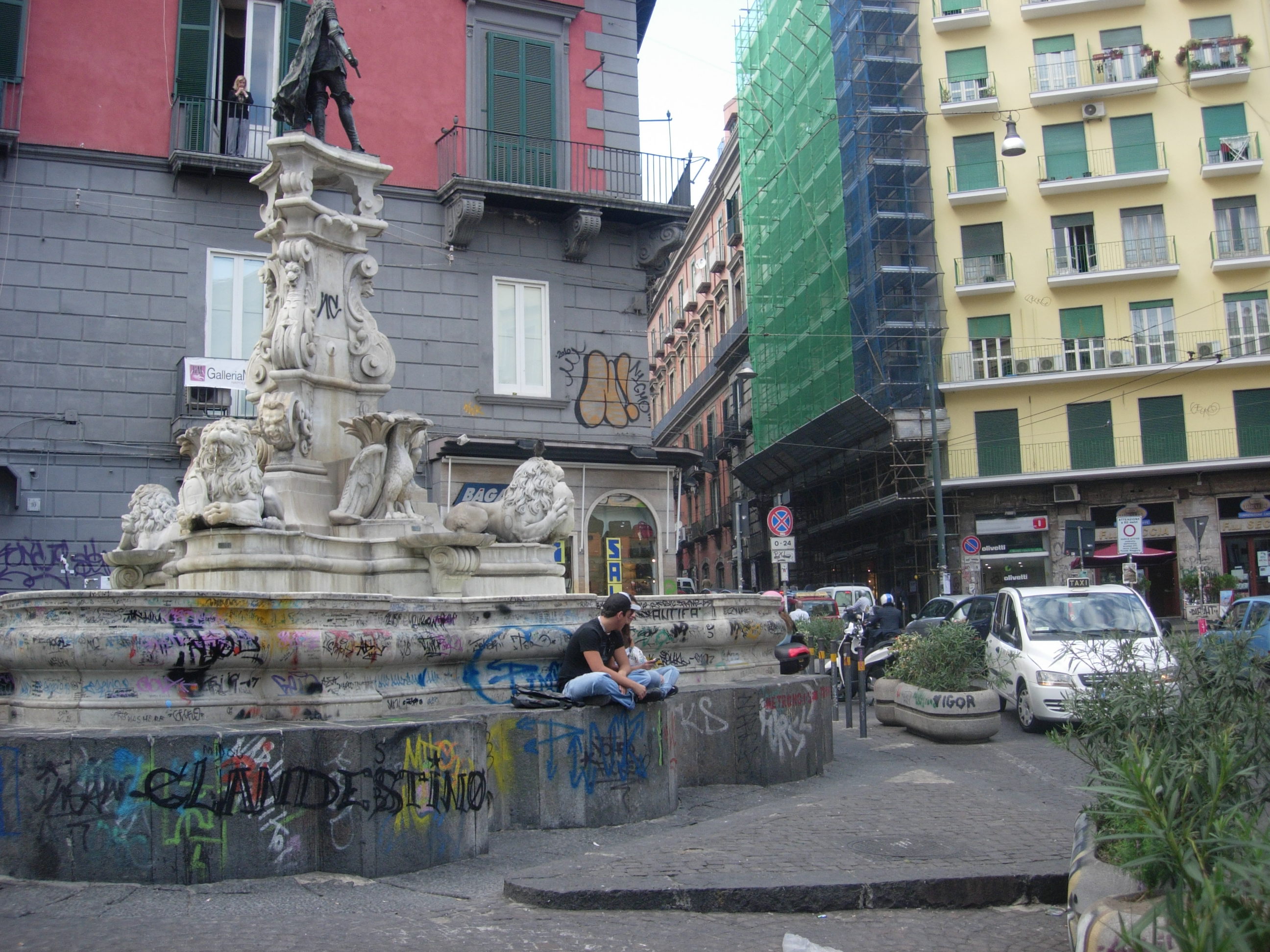
I got out of the Metro stop and walked the five blocks to my hostel. It took about that long to totally fall in love with the honking, swarming, spinning mess of it all, wedged with sharp shadows and bright sun between stories of faded facades that seem too tight, haphazard, overgrown. There seems no law or order to the flow of life on the street—cars and motorinos and pedestrians—but rather a kind of rhythm. Not a heartbeat, even and steady, but a wild palpitation, erratic and oxygen-deprived, that somehow keeps beating, keeps from careening.

It only seems like chaos. There’s something actually there, holding it all together.

I want it.

Give me traffic and noise. Give me trash piles and laundry lines. Give me jackhammers and roaring motorbikes. Give me a honk of warning but don’t slow down.

Give me scaffolding and shadows that swallow whole streets. Give me littered ruins surrounded by sidewalk. Give me a small dead bird flattened against the black stone of the street. Give me the smell of fish in open-air markets.

Give me gypsy beggars and business men; give me round bellies on white rocks, tanning in the sun. Give me a woman bathing in a baroque fountain. Give me stray dogs sleeping. Give me 1000 cigarette butts and worn skin on beautiful women. Give me immigrants selling purses; give me hustlers pawning cans of salt.

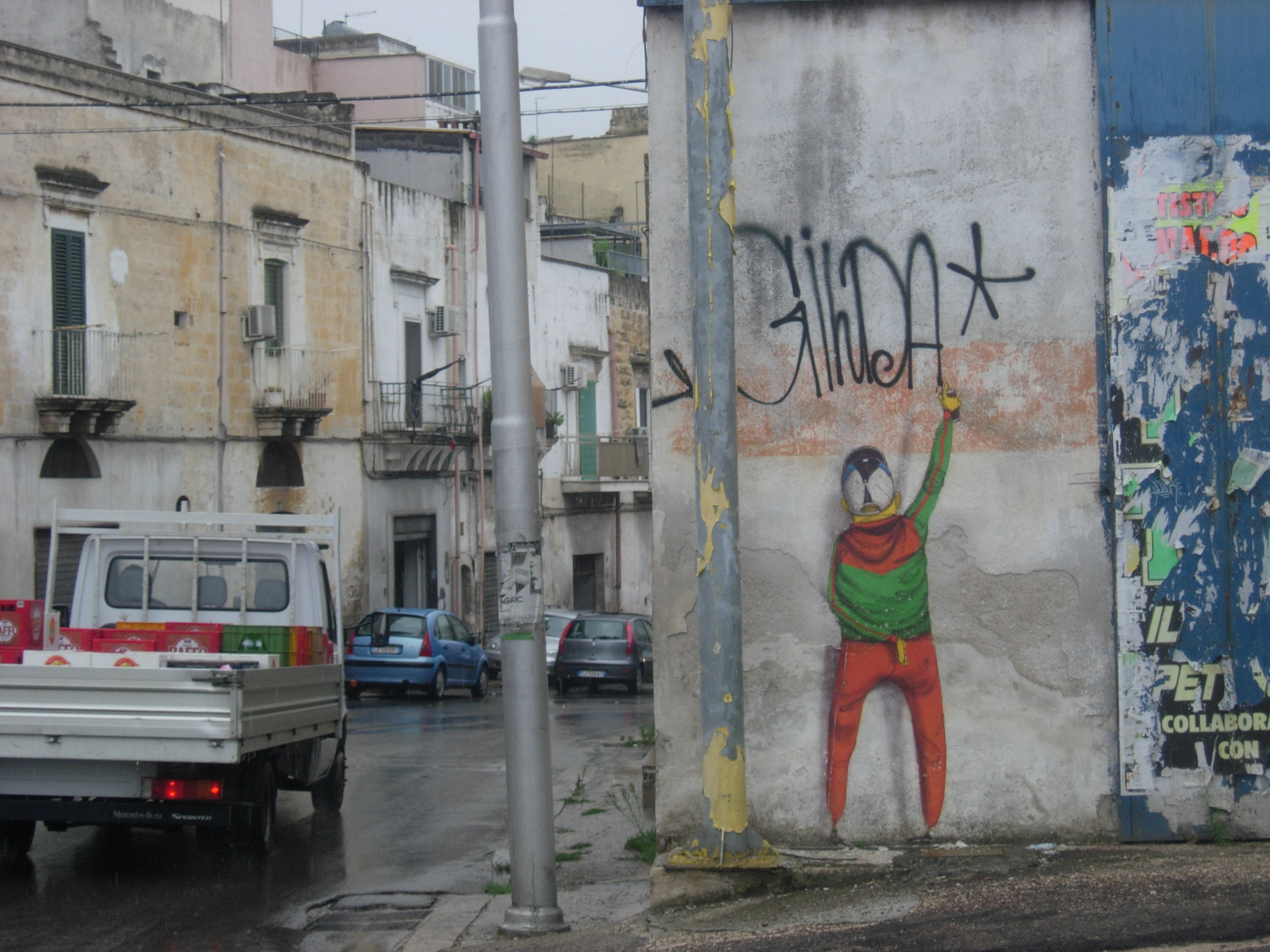
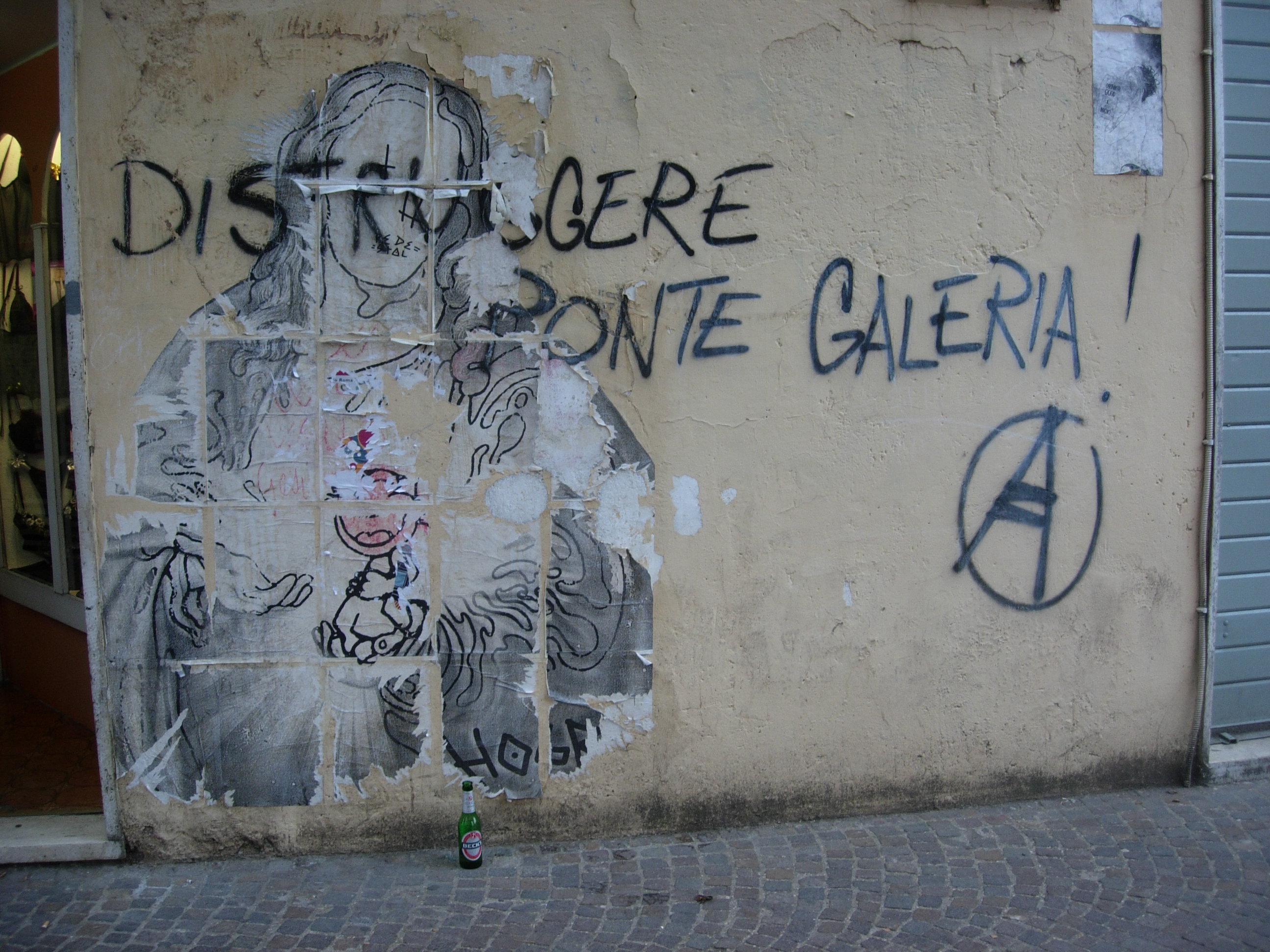
Give me graffiti. Lots and lots of graffiti.

Give me Naples—give me this city and its swarm, give me something inside my own soul.

Pigneto: The Rome For Outsiders, and Me

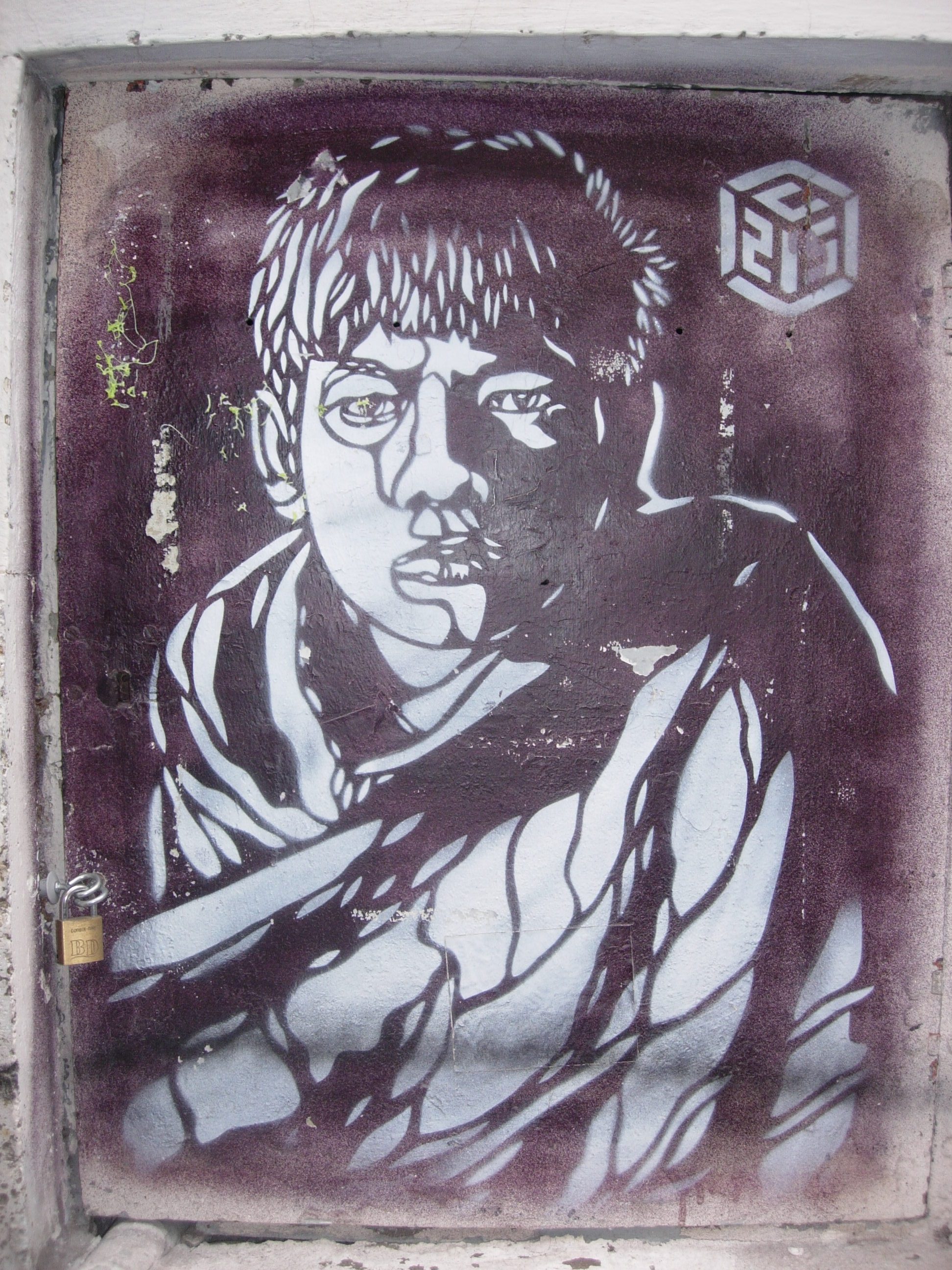
Here’s a little rule of thumb I learned yesterday: if a neighborhood has a shitton of street art, it’s probably the neighborhood I wanna be in.

It’s funny coming back to a place; I never really do it. I was interested to experience the difference. Three years ago, Rome was hands down my favorite European city—probably because it was the most vivaciously chaotic of the cities I’d visited in Europe. Life was different then; for one, I was traveling with my then-boyfriend, who I’d break up with a month after returning home. Nuff said.

Rome didn’t seem so intense and frenetic this time around; it felt much more manageable. I landed with 8 hours of scattered sleep within the previous 48 hour period, and decided to power through the day in order to acclimate myself to the time difference (it worked).

I wandered through the city in a haze of memory, surprised by how my legs took me to all the familiar spots—muscle memory of a city. There was the Colosseum, aching in its magnificent crumble; there was this piazza and that piazza; there was the terrible Chinese restaurant I dragged us to in a vegan moment of tofu craving. It’s funny when a place has only existed in your mind, at one very specific time, funny to see it still going on, living and breathing, like going back into a dream that had kept on dreaming without you.

I remember my dad saying that Rome made him feel his own mortality, and I can definitely say that’s still true for me. There’s something about the ancient greatness, the ruins and remains of glory, that really serve to check you. Just in case, you know, you got to thinking your shit really mattered, there’s Rome to remind you how inconsequential it all is—how small, how much of one shining moment you are. All your joy and heartbreak, your own impending ruin—it will all come and go, and Rome will still be there. You’ll be lucky if your bones last as long as Rome’s.

That being said, Rome isn’t really about anything I’m about. It’s one of the world’s great cities, and has been for thousands of years, and I love it for that, but everything that I get stoked on—diversity, punk rock, hip hop, street art, tattoos, counterculture—Rome doesm’t give a shit about. Why should it? It had Julius Caesar; Rome doesn’t have time for trends.

Walking around center, you get to feeling like an absolute slob—an(other) American slob. Everyone has so much style and grace in Rome; how do their clothes fit so well? How do they all look so effortlessly chic and beautiful, and what the hell is wrong with you in your Toms and Talk Is Poison shirt?

And then you take a rickety street car down, along desolate tracks and amid rows of block buildings, into the rundown side of town, and you realize: that’s because all the Romans in the center are rich. Rich people of any culture look good, and are inherently alientating (to me at least). You get amid a neighborhood a little more like your own, and you realize there’s more to Roman life than tailored suits and killer shoes.

Pigneto is the Mission Dolores/Williamsburg of Rome—an old-school, traditional neighborhood first overtaken by immigrants, now overtaken by hipsters artist types otherwise entirely abscent from Rome. Along its shady streets, you see little old Italian men shuffling around; African, Chinese and Bangladeshi immigrants hanging out, free of their blankets of goods to sell; young Italian sitting in doorways smoking. I love dynamic cultural collisions like that; they’ve been known to bring much of the forementioned things I love. Including street art.

I’d headed out to Pigneto in the first place to meet up with Jessica Stewart, who runs the very kick-ass Rome Photo Blog, covering contemporary art, street art and other radom wonderful things around Rome. I had some time to kill before we met, so I roamed around and took photos.

Swear I saw stuff from this person in Brooklyn...

Loved this series

Well, lookey who...

My favorite series

I met Jessica at Necci, a bar/restaurant that’s been around since the 1920s and was featured in an issue of Australian Gourmet Traveller last year. We sat at a table under a tree (which only kind of shielded us from the rain) and she told me about the neighborhood, about the art scene and ex-pat life in Rome.

“Rome is a very play-it-safe, stay-with-the-pack kind of city,” she told me. She spoke about the city’s slowness to accept street art in its galleries. “It’s a very traditional city. It’s hard to impress people in Rome—you know, when you’ve got the Colosseum right there, it’s hard to feel like you can do anything in comparison, or anything that matters.”

There were, she told me (and as she’s documented on her blog), a small handful of artists, living out in Pigneto and San Lorenzo, that were doing their own thing. And acceptance was growing, along with recognition.

“The one thing one of the artists said that was true,” she told me, our shoulders hunched under the branches and drizzle, faces half-lit from the barroom light, “is that, if you can make it in Rome, you can make it anywhere.”

It seemed true enough.

Serendipity, Street Art and the Best Layover EVER

It’s a fantasy common enough to warrant TV commercials, (porno) movie plots and a voyeuristic story by Gabriel Garcia Marquez: you get seated next to an attractive person on an airplane. And you’re stuck beside each other, awkwardly negoitiating the small space for hours.

As most travelers will readily tell you, this is about as rare to air travel as getting bumped up to first class. No, rarer. The cast of characters usually beside you in the sardine can of coach include snorers, fidgeters, wiley children and consumers of mysterious day-old food. It really serves to drive home to actual percentage of datable people in the world’s population. I, for one, had given up on the fantasy and resigned myself to the mere hope of a recently showered individual that can fit in their own seat (which is also more or less when I’ve resigned myself in dating—and have been known to compromise on as well).
Well, holy shit if the travel gods didn’t smile down on me. And homeboy wasn’t just attractive—he was rad. As I discovered, not just during the flight, but on our 10-hour layover spent adventuring around Brooklyn together, spotting street art and searching for obscure vinyl.

I’d noticed him passing through security (as I was being pulled aside to have my purse dismembered in search on nonexistent weapons): hip without being pretentious, stubble beard, cowboy boots, a bulging bag of records. But I didn’t give it much thought until I was settling into my dismal seat in the back of the plane, next to the bathrooms. I watched him struggle to jam his record bag into the overhead compartment and smiled. When he looked down at his boarding pass, scanned the aisle numbers and ended up standing right beside me, we both smiled.

Sebastian had been traveling around the US for 5 weeks, and was on his way back to Zurich. He had a couple lines in his forhead, the well-traveled beginning of wrinkles. He had the worn-smooth hands of a cook, the black strand of a necklace peeking out from under his shirt. He had killer taste in music.

We chatted about life and travel and bands (“I saw some great shows in San Francisco.” “Like who?” “Ty Segall.” “On Wednesday? At the Rickshaw Stop? I was totally there!”). We talked about his trip and my trip (“I’ve got a 10 -hour layover.” “Me too. I was gonna go into the city, hang out. Better than being at the airport.” “That was my plan too.”) We fell into the fitful half-sleep of confined space and over air-conditioning; woke up stiff necked and lip smacking, ditched our bags at a luggage locker and rode the subway into Brooklyn.

It was a shuttered-up and bare-sidewalked Sunday morning on Bedford, ground zero of Brooklyn hipness. There was a record store Sebastian wanted to get back to, that wouldn’t be open for hours. We rubbed our aching eyes and looked for coffee.

I consulted my iPhone. “Oh shit, there’s a Blue Bottle?!” I exclaimed. “Yeah,” said a girl passing by, “it’s around the corner.”

We sat in the sun and drank our hand-dripped cups of black, watched the parade of dogs and toddlers and cool kids. We bombed around the neighborhood, going nowhere in particular, until the shops thinned and the wide walls of warehouses took over. And we began spotting some kick-ass street art.

All the pictures are on my phone, which for some reason my new (new to me, that is) netbook won’t download. So expect a post when I get home. But just to tease, I saw Roa, Faile, Space Invader, Gaia, and a whole bunch of folks I didn’t know but really wanted to.

We hit the record stores that had brought us there. Sebastian confessed to me that he was a music nerd with a record fetish. “There’s so many more records in the States,” he told me. He’d already shipped a crate back to Zurich. “It’s okay, though, it’s still cheaper than trying to buy it in Europe. If you can find it at all.”

We got back on the train, dazed and subdued with our long flights looming. We looked back through his pictures—he’d ended up going to Burning Man, on (another) serendipitous whim, and I leaned in over his shoulder to look at the small viewfinder, its story of dust and fire, the wind that moves through desolate places.

Our shoulders touched, just a little in the shudder of the train. I felt no desire to make a move, so to speak; it was enough to have a small flutter in my stomach. It was enough to have met someone awesome, totally serendipitously. It was enough to have wandered around sleep-dazed and discovering, to have sat on stoops smoking in the Brooklyn sun.

Sometimes you don’t need a big climax, don’t need to get all flirty and sleezy or anything at all. Sometimes it’s enough to feel liked, not just desired, and to genuinely like someone back. Not cause you want to make-out with them necessarily, but just because they’re rad.

We sat at the bar of a jokey airport restaurant, where Sebastian indulged in the last American hamburger of his trip. NFL games were flashing on the various television sets, the jarring loudspeaker announcements of boardings and departings echoing through the space.

“Sebastian,” I said, “you are by far the coolest person I’ve ever sat next to on an airplane.”

We hugged. “I had a great time,” he smiled. “Me too.”

And I walked away, through the terminal to my own adventure.

Traveling Itinerary-less

I have a confession: I love planning.

I love itineraries, I love train schedules, I love booking reservations. I love figuring out exactly how much I can cram into a trip, how many overnight buses I can take, how much ground I can cover in how much time. I love scheduling in “cushion” days—two or three, no more—for rest, buffer days, and I love burning through them by packing in more shit to see. And I really love guidebooks.

This, I’ve been assured, excludes me from the illustrious elite of Real Travelers. “Ditch the itinerary!” “Slow Travel!” “Forget the Guidebook!” (words I’ve actually written for jokey articles I didn’t really believe in). You get this vision of Real Travelers: soulful types who tote around their ludicrously light backpacks, free of weathered books and long hours in internet cafes, guided by some impeccable instinct that brings them to the Right Place at the Right Time. Their buses depart whenever they happen to show up at the station; they meet kindly strangers who led them through dark streets; they happen upon “undiscovered gems” and spend weeks lazing with locals, learning their ways, nursing their orphaned children.

But most of all, I imagine these Real Travelers as open to the whims of the road. They don’t lock themselves down to itineraries, don’t construct little prisons of time constraints and force themselves to rush! rush! keep up! with some sort of idea they’ve forced upon themselves, an artificial timeframe not too dissimilar from the things we lock ourselves into at home. I imagine them listening—ears like stethoscopes to some pulse, some rhythm of the world that I can’t even feel, am only vaguely aware is even there—listening and hearing and heeding.

And I imagine, or rather I see, myself, scrambling and rushing and running myself ragged. And needing a vacation after my vacation.

I was revving up to do my upcoming trip in much the same fashion: after FAME Festival, I’d have two weeks. Two weeks! I’d cruise over to Croatia, work my way down through Montenegro and Albania, cut across Northern Greece, hightail it all the way to Istanbul, soak in the city in a furious two/three days before flying back into Rome. I was checking bus routes, maps and schedules; I was calculating days. I was getting exhausted.

I finally said fuck it. In five years of traveling, I’ve finally learned to say fuck it. True, I have no idea when I’ll be back in that part of the world, and true, there’s a lot I want to see. But when I tie myself down to self-constructed itineraries, I end up seeing everything and nothing. I’m tired. I get sick. “Oh, I’d really like to go to the Sahara, but I just don’t know if I’ll have time.” Time, time, always time.

I’m ditching the itinerary. Kind of. I’m going to Grottaglie, yes, but for the two weeks after that, I don’t know what I’m doing or where I’m going. I don’t know. I’ve been relishing in those words, smiling when I get to say them (“Where all are you going?”), feeling them warm me up, a hot sun on a languid beach.

Maybe I’ll end up “wasting” days doing nothing, swimming and eating and strolling around tangled old streets of torn-up cobblestone. (When you’ve got nowhere to be, you can’t be late.) Maybe I’ll just go to one other place, or maybe I won’t leave Italy at all; maybe I’ll go back to Rome and spend days wandering into dank old churches and eating too much gelato. Maybe I’ll listen really really hard and get some sort of answer, not in words, but in impulse—“go here, do this.” Or maybe I’ll just fucking relax and enjoy myself.

And you never know, maybe I’ll become a Real Traveler.

Travel Tip: Get Inventive

What to bring and how to pack—it’s always a hot topic. But no matter how well you prepare—no matter how many water purification tablets and rehydration pills you stuff into your waterproof, weather-resistant backpack—you can’t anticipate every twist and turn you’ll encounter on the road.

At some point, you’ll need to get inventive.

Let’s say you do something as innocent and seemingly unadventurous as going on a day hike. Now, some people tromp off with walking sticks, CamelBaks, and a fanny pack full of First Aid supplies. But those’re also the same folks that wear their jungle-proof hiking boots in the middle of the city. (In your preparedness, you must also consider fashion.)

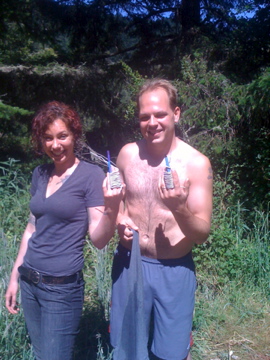
Let’s say it’s a hot day at one of your top 3 travel secret spots. Let’s say that Bass Lake is sparkling cool, and filled with the intertubes and joyous clamor of hikers. You paddle out with a friend and see carefree bodies flying through the air, limbs ecstatically free for one airborne moment before splashing ceremoniously into the murky dark.

Let’s say you forget that both you and your friend are total effing city kids and have never once been on a rope swing. Let’s say that you don’t stop to consider the physics of the situation, the centrifugal force and the fact that some technique might be involved. Let’s say that all that’s going through your mind is—“Fuck yeah, rope swing!”

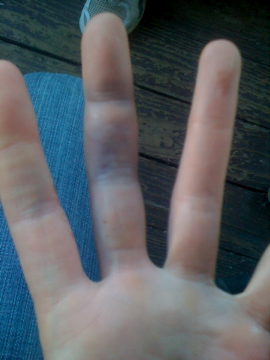
And let’s say that both you and your friend completely gnarl your hands and are left treading water with a mess of twisted and bloodied fingers.

It’s time to get creative.

First off, remember your First Aid training: reduce swelling (and bleeding) by raising the effected body part(s) above heart-level. This means treading water hands-up for 500+ feet back to shore. You can also call on your long-forgotten lifeguard training.

Next, you’ll want to get a second opinion. You’ll probably try to tell yourself that your wound “isn’t that bad, right?” You’ll attempt to move the effected body part in a perkily healthful manner to convince everyone—but mostly yourself—that no serious injury has occurred. At this stage, it helps to have friends with a firm grasp on reality.

When it’s determined that you are indeed effed up, you’ll need to provide some sort of make-shift care for yourself. You won’t always have gauze and splints and medical tape handy. You’ll have to make do with what you have right in front of you. Dig through your purse and discover that a Bic pen is about the length of your finger. Now how could you secure it to your effected digits to both provide support and restrict swelling? You think, look around…

Using your traveler ingenuity, you’ll end up with a perfectly workable—and dare I say, fashionable—solution: Bic-pen/shoelace splints:

Stop hiking? No way! You’re totally good to go.

Bonus tip: Don’t waste money on needless medical care. If you happen to be American, you’re already well-practiced in the delicate art of determining when medical attention is and is not absolutely necessary. Unless your shit is sideways and needs to be reset, a doctor isn’t going to do much for a broken finger. So save the pennies in your travel jar, go to Walgreens, and buy a splint and some medical tape. Total cost: $7.


Lauren Quinn is a writer and traveler currently living in Hanoi. Lonely Girl Travels was a blog of her sola travels and expat living from 2009 to 2012. She resides elsewhere on the internet now.

Join 490 other subscribers

Buy This Sh#t

Categories